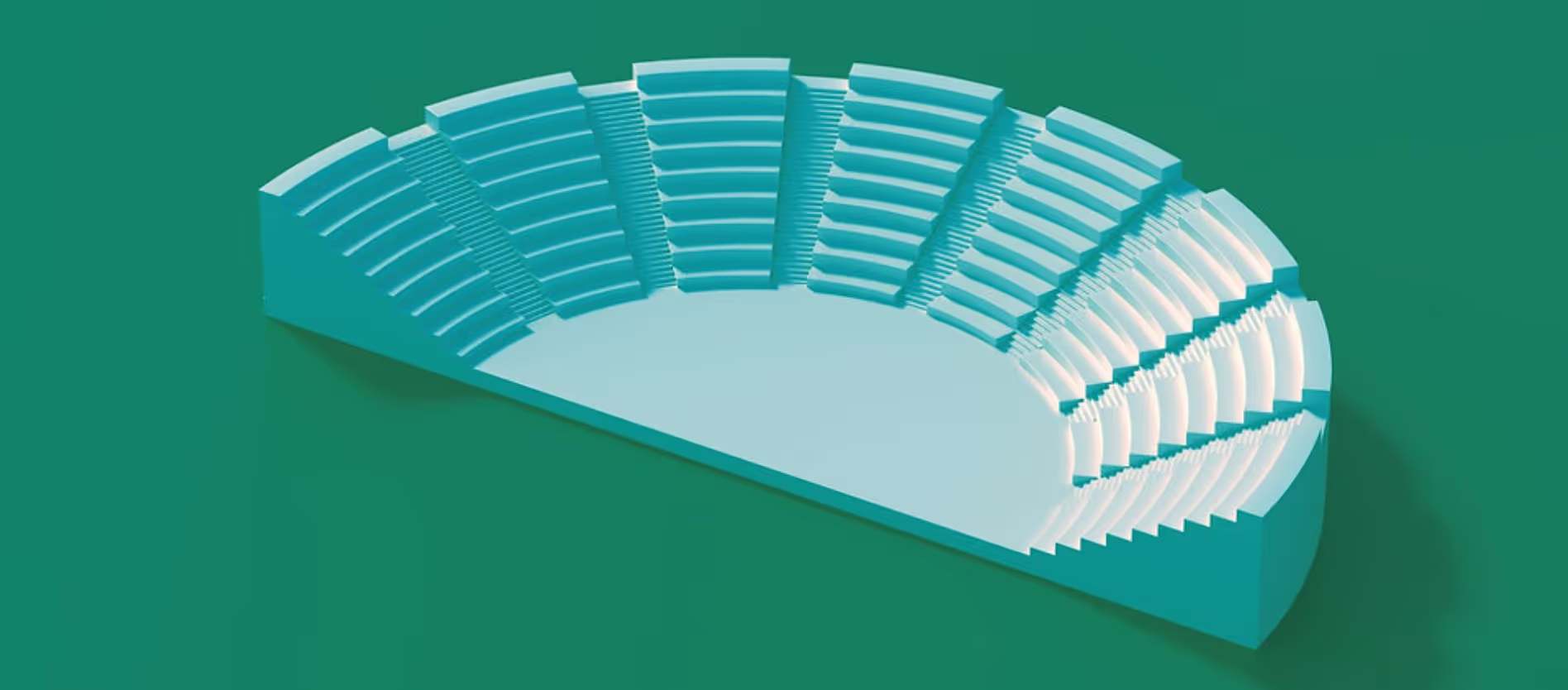
Still think temporary structures are just glorified tents? Think again.
Temporary structures are becoming a major force in pop culture, giving brands and artists the ability to create custom, sustainable environments that deliver the same level of impact and immersion as permanent spaces. But why take our word for it when you can take Adele’s?
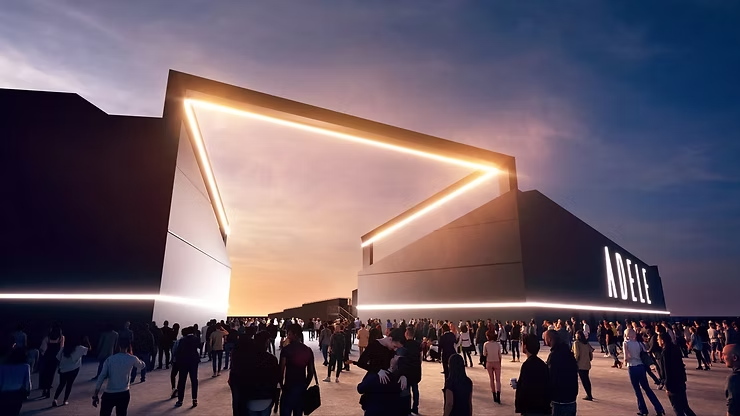
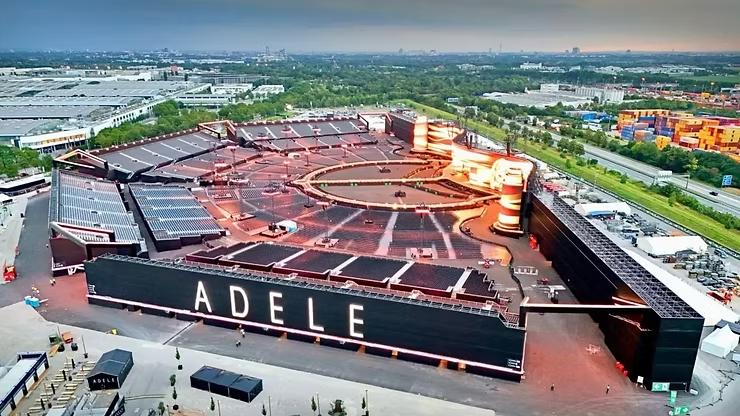
For her residency in Munich, Germany in 2024, Adele installed a custom-built temporary arena featuring a Guinness World Record-breaking 721 x 98-foot LED screen to support a 10-show run. The venue was erected in just 30 days, cost less than $135 million to build, and generated nearly $600 million in profit. The cherry on top? The residency became the highest-attended concert residency outside of Las Vegas, with more than 730,000 tickets sold, while many of the materials used to create the arena were designed to be recycled and reused after the event. Ticket packages even included public transit access, helping reduce the transportation footprint that can come with an audience of that scale.
If Adele isn’t enough to convince you, let’s dive into the 2024 Paris Olympics. The theme behind the execution of the sporting event was “doing more with less”, where organizers strived to deliver an environmentally responsible experience in every aspect of the games from the venues to the energy usage, transportation, and even food. This go-round, the games aimed to cut their carbon footprint by 50% compared to the London 2012 and Rio 2016 games — a goal aligned with broader climate initiatives, including the Paris Agreement.
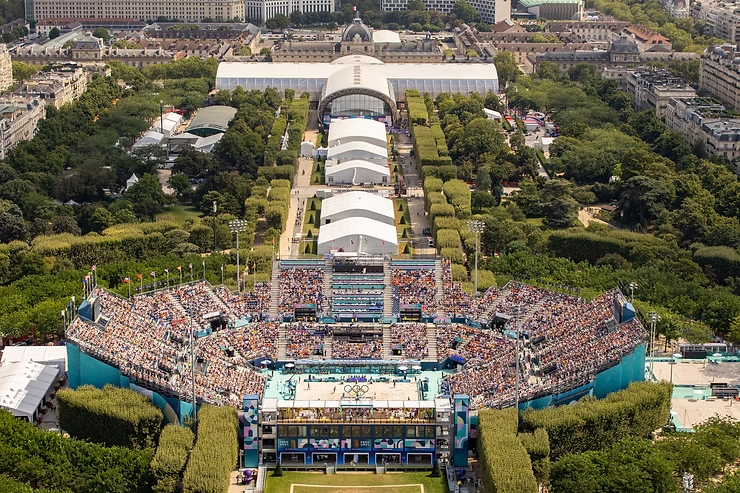
An astonishing 95% of the venues used in the Paris 2024 Olympics were created using temporary construction supporting all the athletics taking place during the event. With spectator seats made from recycled plastic and solar panels being the main source of power for the structures, Paris 2024 was not only a moment to remember, but an illustration of how memorability and sustainability can coexist.
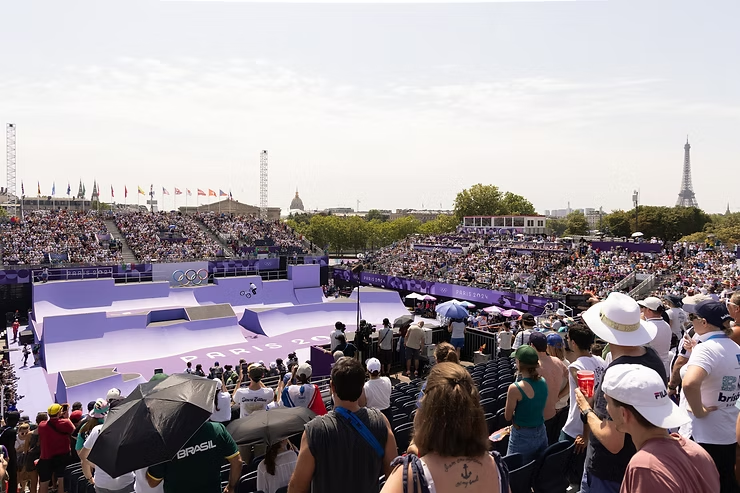
Adele's residency and Paris were early indicators of where things were heading. Today, temporary structures are continuing to reshape the live event landscape.
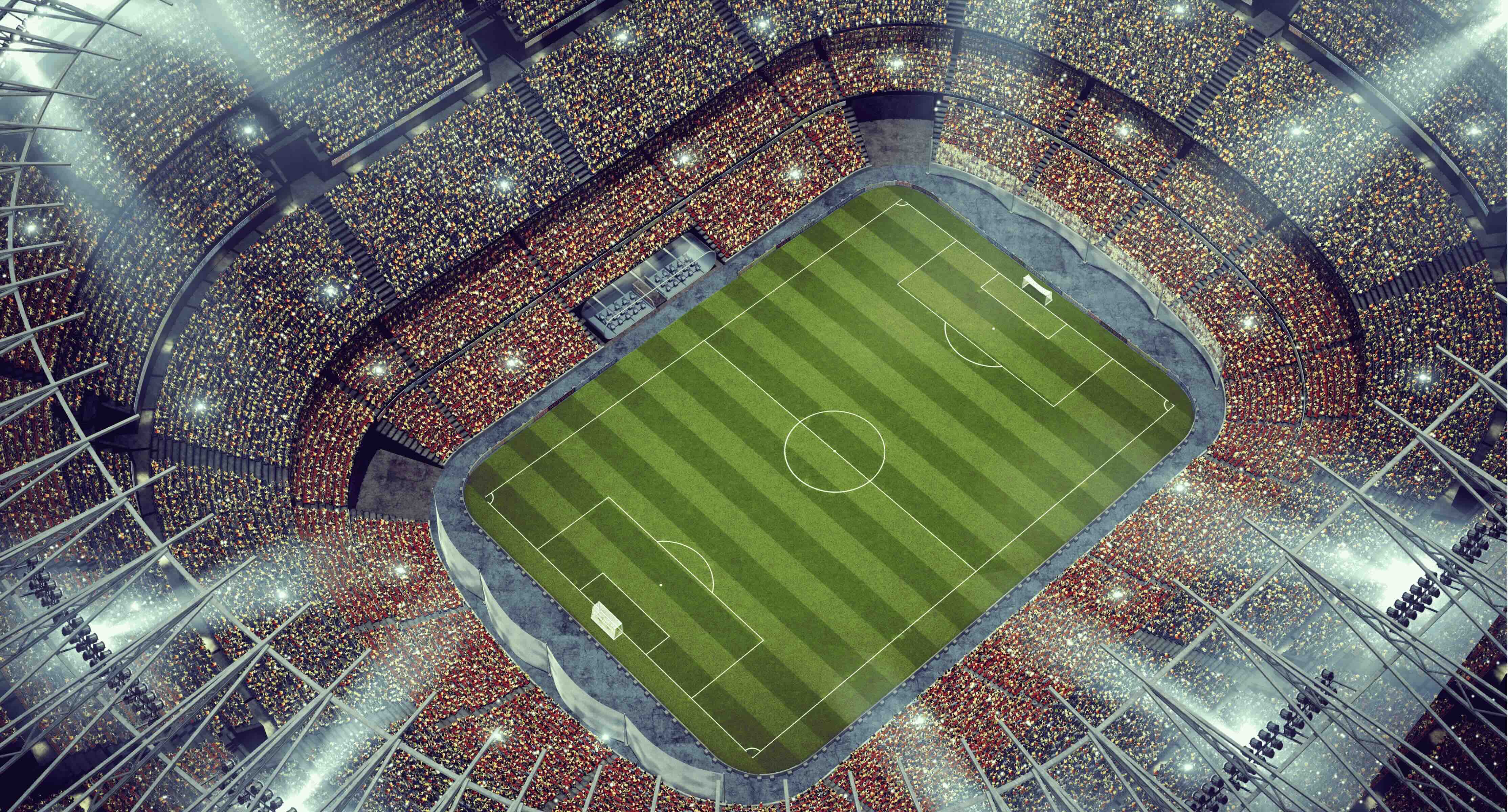
Recently, Toronto opened Rogers Stadium, a 50,000-seat temporary venue that immediately became the city's largest purpose-built concert destination. Just a few months ago, WWE hosted the Royal Rumble in Saudi Arabia inside a custom-built stadium created specifically for the event.
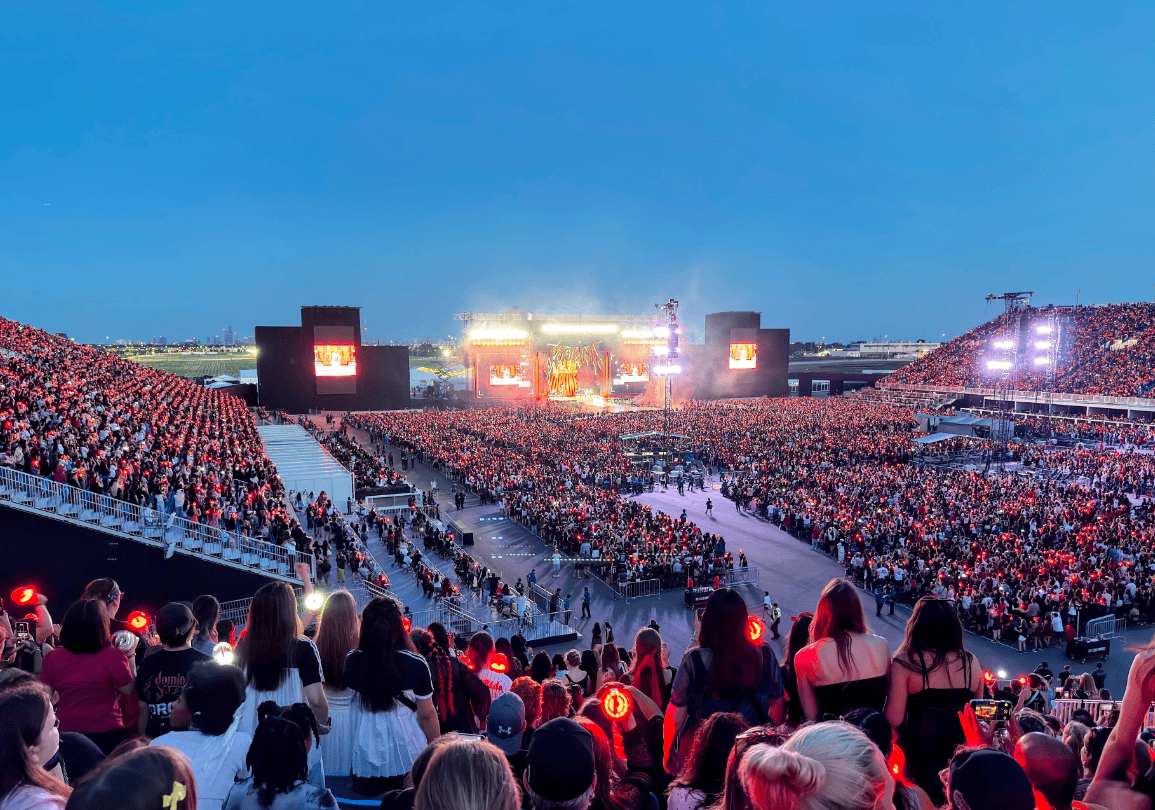
Those examples only scratch the surface. The speed, flexibility, and economics of these spaces are encouraging more organizations to rethink what event environments can look like, proving that temporary structures have evolved well beyond a solution of convenience—they're a forward-thinking strategy for creating impactful, sustainable spaces that deliver on both form and function. At assembly, this approach is what drives everything we do. From pop-ups to massive-scale event structures, we design and build environments that not only meet the moment but elevate it...whether you're a pop culture icon or not.
Want more information on how you can make like pop singers and global sporting events at your next brand experience? Click here to connect with assembly.