Angel Reese had shattered the WNBA’s single-season rebounding record. Allisha Gray was putting up a career-best 19 points per game. And across the city, fans were buzzing at the prospect of the Atlanta Dream winning their first championship, 18 years after the franchise’s debut.
But amid the excitement, an unexpected question emerged: where would they play?
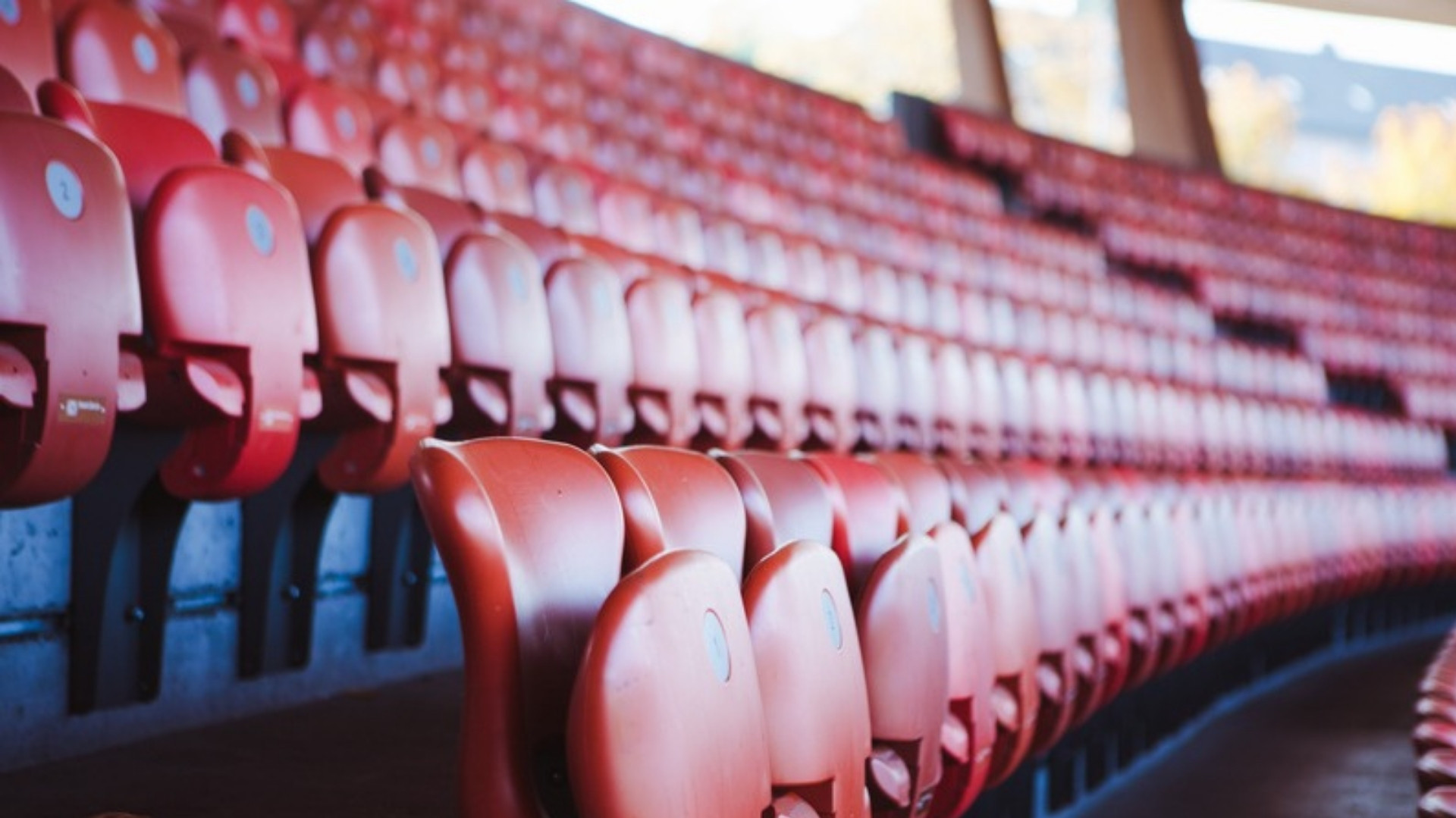
The Dream typically call the Gateway Center home. An excellent venue, but with 3,500 seats, it is the smallest in the league and would struggle to meet the demand of the moment. The fix? Coordination with Atlanta’s NBA team, the Hawks, to host the Dream’s home Finals games at 17,000-seat State Farm Arena. And the bigger stage is here to stay: the Dream had already announced plans to move their entire home schedule there in 2027.
That’s huge progress, but even that arrangement speaks to the inflection point women’s sports finds itself at. The underlying issue is tenancy. Shared venues are common across all sports, but they present two distinct challenges for women’s teams.
The first is scheduling. Women’s teams are often disproportionately affected by conflicting schedules. The second issue is branding and fan engagement. Even after the incredible collaboration between the Dream, the Atlanta Hawks, the WNBA, and the NBA, the Dream’s biggest moment in more than a decade is taking place in a venue bearing the name of another franchise’s partner. And beginning in 2027, that will be the reality for every Dream home game.
The impact goes beyond the court to the whole commercial ecosystem around a team. Marketing and sponsorship can’t reach their potential in borrowed space. You can’t design what you don’t control.
To see what’s possible when a team has that control, look at the NWSL’s Kansas City Current. Their home field, CPKC Stadium, is the first venue purpose-built for women’s professional soccer. The design pays homage to pioneers of women’s sports with tributes to the first U.S. women’s national soccer team and the text of Title IX displayed along the players’ entrance to the field. Artwork by local female artists lines the halls, while concessions feature women-owned and women-led restaurants. Even the restrooms reflect this thoughtful approach, with gender-inclusive facilities available to fans.
Research supports the thesis that design directly impacts fan experience. Our recent study, The State of Women’s Sports Marketing, developed with BizBash, found 75% of respondents feel that operational limitations frequently prevent strong fan experiences. And ultimately, fans will hold the team and league responsible if that falls short.
Venues are typically designed with the primary tenant in mind. When a team is a secondary tenant, it has less control over the amenities fans expect, the spaces where they gather and build traditions, and how sponsors are integrated into the broader experience.
The economics tell a similar story. Venue control means ownership of the calendar, which leads to more revenue. Capturing the dollars from facility ownership is a core supporting justification for the massive (and ever-increasing) team valuations and expansion fees that reflect growing interest in the sports landscape. Expansion fees for the recently announced WNBA franchises alone are estimated to be in the $250 million range.
To its credit, the shared model can succeed. On the other side of the WNBA Finals, the Golden State Valkyries have had an unprecedented rise, despite sharing Chase Center with the Warriors. At scale, multi-sport organizations can support commercial advantages.
But the Valkyries have also carved out space that’s unmistakably their own. The Sephora Performance Center, the team’s dedicated training facility, boasts locker rooms, strength and conditioning areas, recovery zones and a branded DJ booth. Part of a larger organization, but distinctly Ballhalla.
Even with success stories like the Valkyries’, teams need a path to greater venue control and ownership to reach their full potential. In the interim, brands and venues can help bridge that gap. Investing in team-specific experiences, even in a temporary or modular way, boosts the fan and sponsor experience. Venue refreshes can also represent an opportunity for more team-centric design that captures the spirit and ambition of rapidly growing properties.
That brings us back to Atlanta. The Dream’s rise shows what’s possible with sustained success, a dynamic roster and a whole city behind them. What’s needed are more iconic, dedicated, purpose-built venues that reflect the scale of the opportunity.
TL;DR: The fans are here. Let’s design spaces worthy of them.
Reach out to our sports team to get started.
About the Author
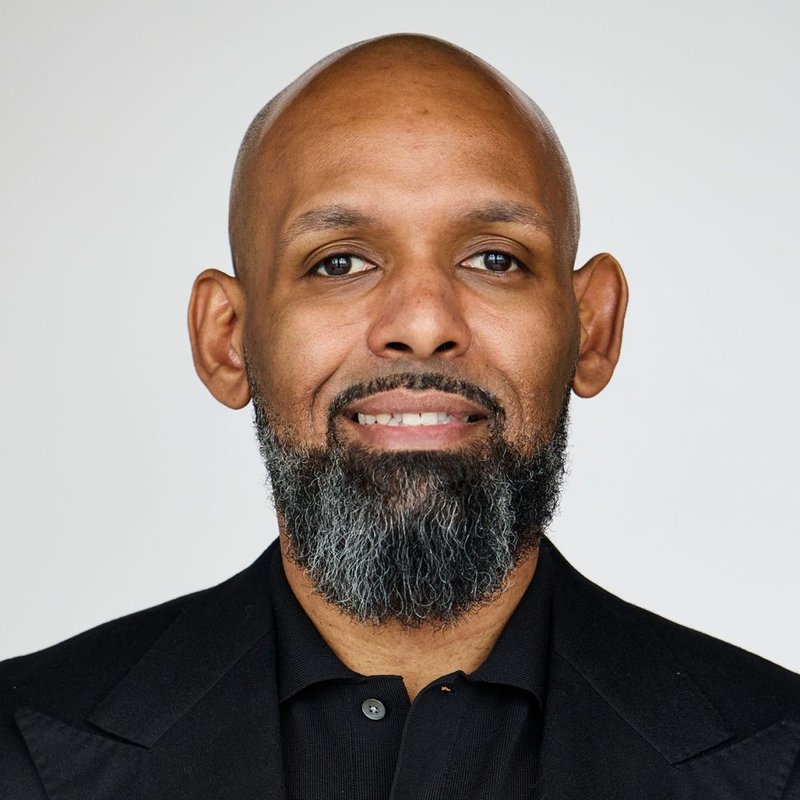
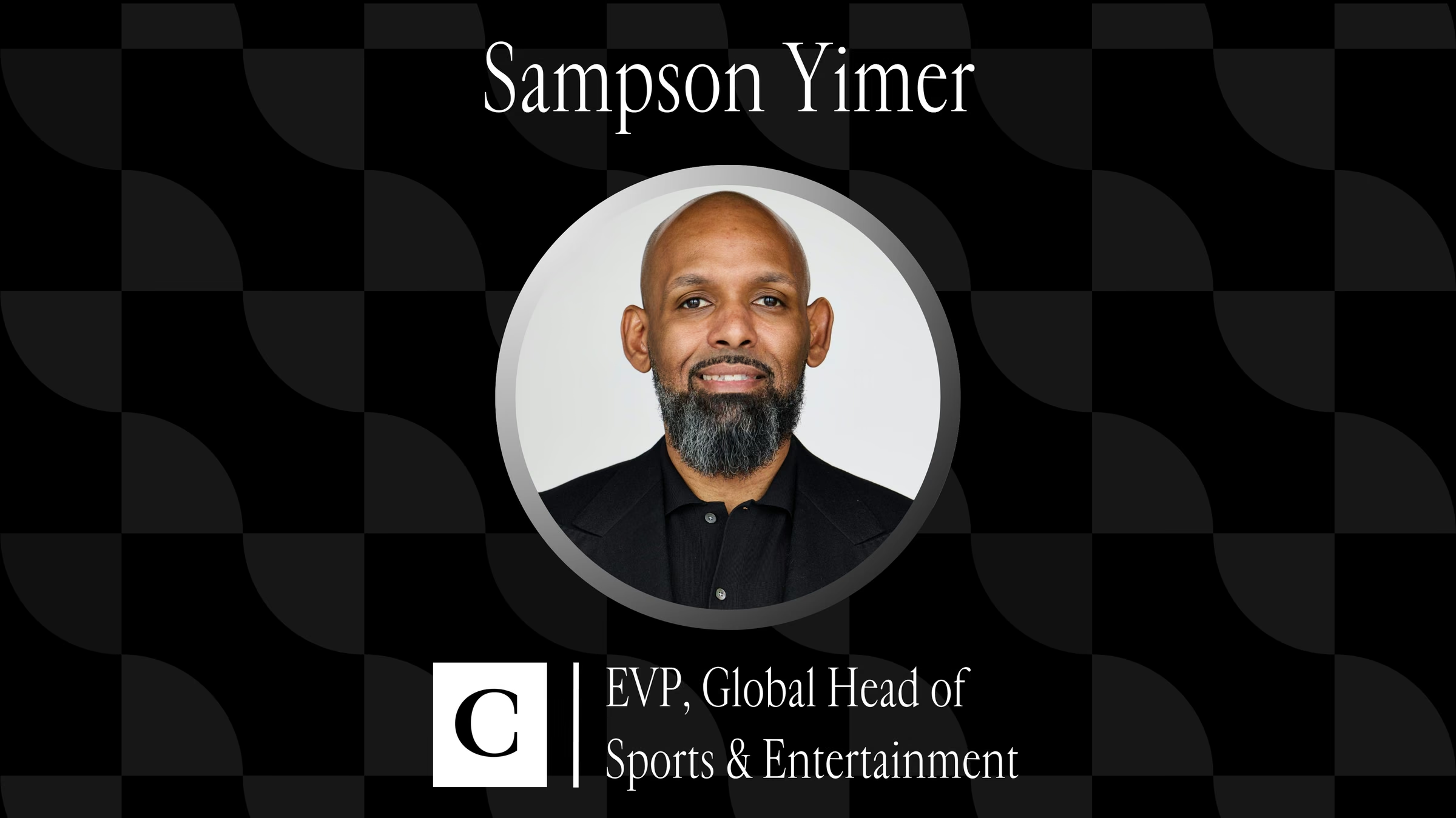
Sampson Yimer is Executive Vice President and Global Head of Sports & Entertainment at Czarnowski Collective. A 2025 Sports Business Journal Forty Under 40 honoree, he brings more than 15 years of experience in sports marketing and partnerships, including leadership roles at Nielsen and the Atlanta Hawks. He leads the Czarnowski Collective’s sports and entertainment practice, helping brands, teams and rights holders connect with fans through strategy and experiences.