
A well-designed space earns a second look. A well-designed space with a job to do earns a conversation, a lead, a story someone repeats on the flight home. The difference between the two is intent.
Design carries its weight when it tells a story, stirs a reaction, and moves people toward something. When form and function line up behind a strategy, a space stops being a backdrop and starts working as a brand platform.
That holds whether the space stands for three days or thirty years. A trade show exhibit, a customer experience center, an executive briefing center, a showroom, a pop-up on a city block: the materials change, the timelines change, the people walking in do not. The five principles in this piece come from the show floor, but every one of them applies to the permanent spaces we design too.
Aesthetics, Functionality, and Strategy
Great design balances three things, and each one has a specific role.
Aesthetics open the door. First impressions decide whether someone steps in or keeps walking, and visual appeal buys the first thirty seconds. Holding attention after that is a different assignment.
Functionality keeps people in the room. The space should be easy to read at a glance, simple to move through, and flexible enough to handle a keynote crowd at ten and a quiet product walkthrough at two. Form follows function, and both follow the guest.
Strategy makes the whole thing count. Every design choice should trace back to a goal: awareness, engagement, lead generation, storytelling. Without that foundation, even a stunning build ends up as a very expensive photo op.
Five Principles for Designing With Purpose
1. Start With the Why
Before anyone picks a finish or sketches a floor plan, answer one question: what is this space supposed to accomplish? Launching a product, reinforcing brand values, and building community each call for different decisions, and the why should be visible in every one of them.
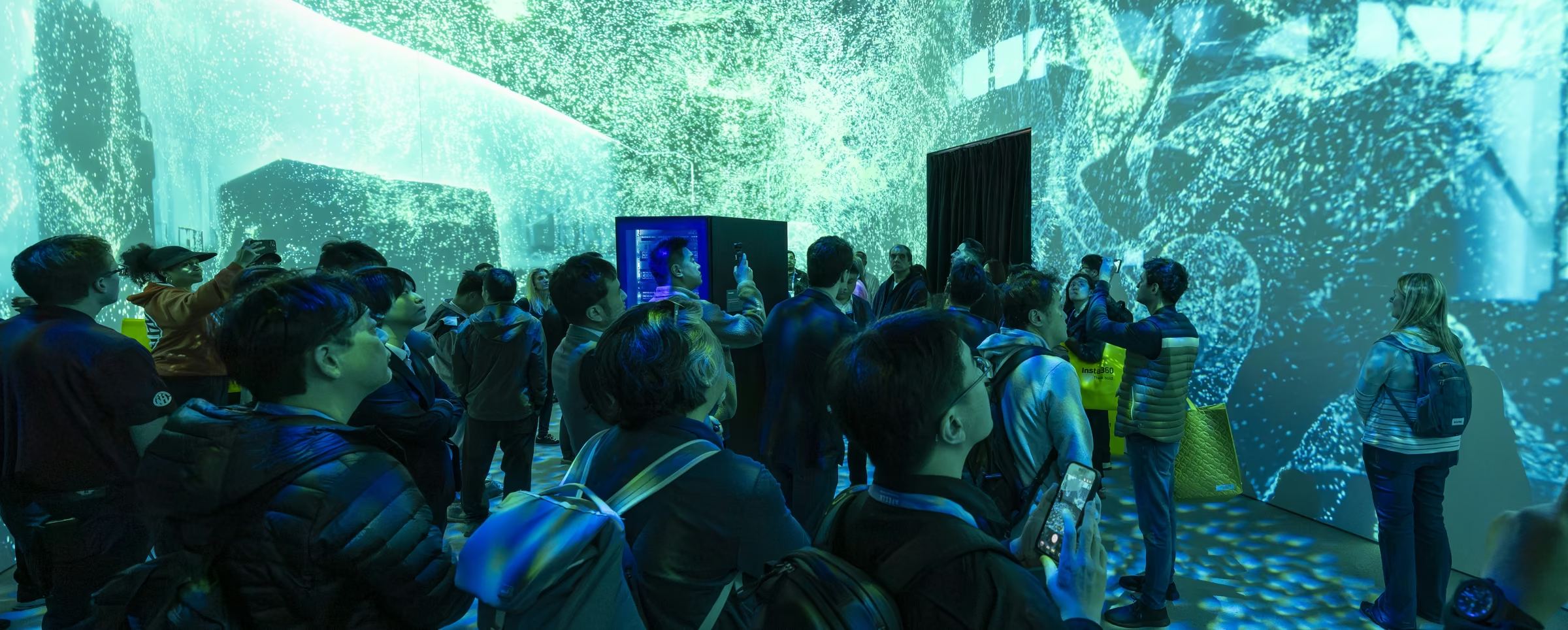
When the Dubai Future Foundation made its first appearance at South by Southwest (SXSW), the goal was specific: bring the Museum of the Future, and the creativity behind it, to an American audience in the middle of Austin. We designed and built a 60' x 100' structure sized to make that statement at street scale, positioning the Museum as a global hub where innovation and Middle Eastern culture meet. Every square foot answered the brief.
2. Make It Interactive
Guests remember what they did far longer than what they saw. Interactive design gives them something to do.
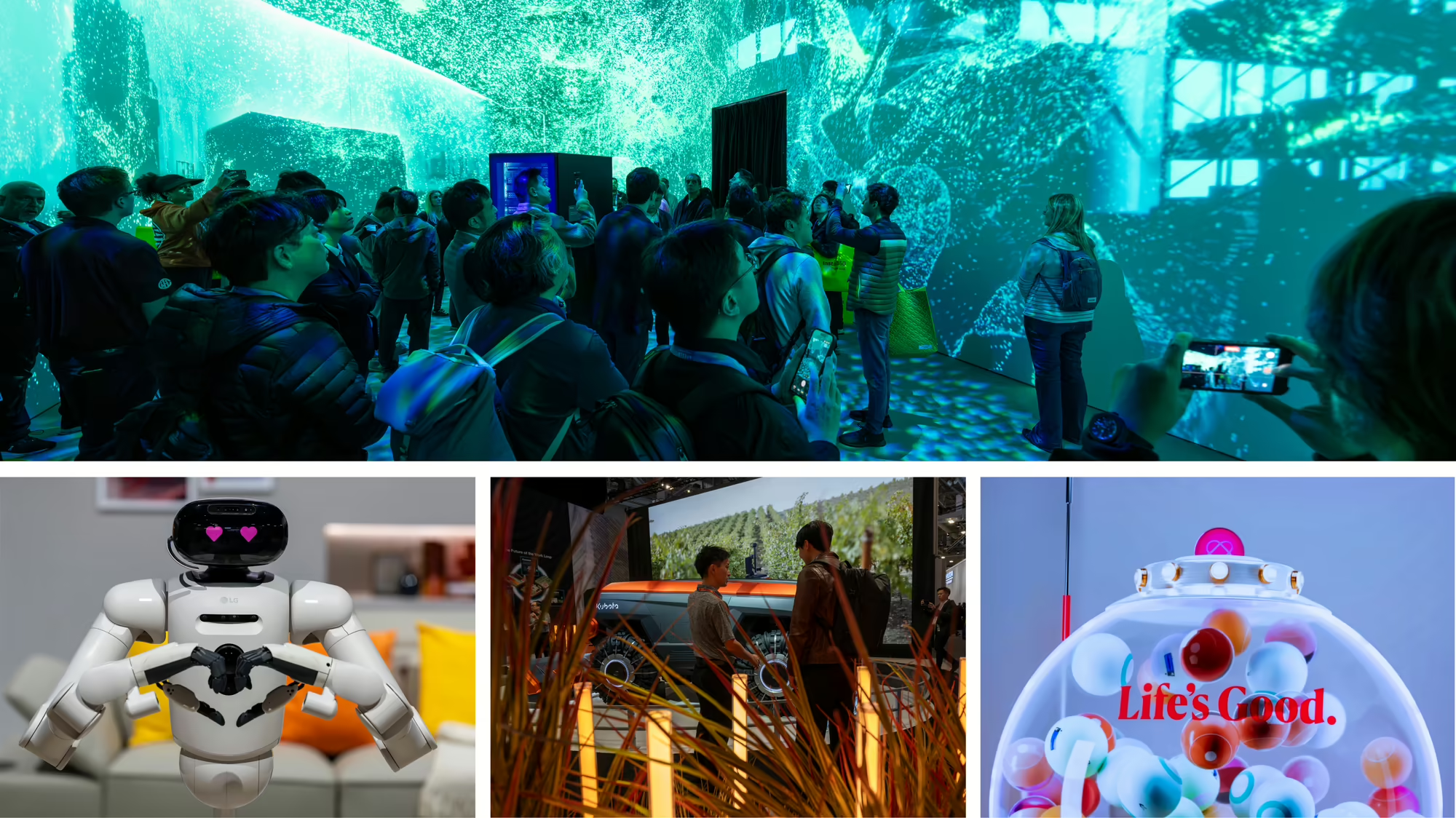
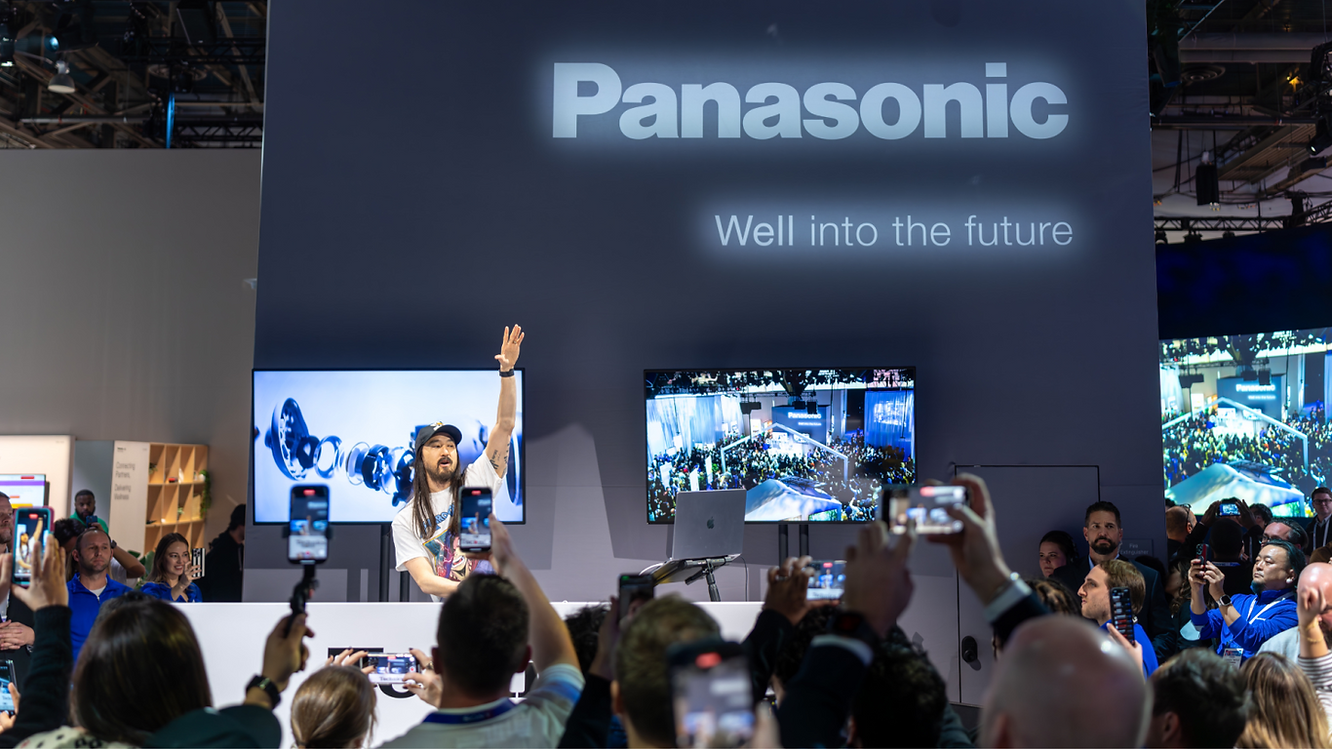
Panasonic's booth at CES 2025 put Technics audio products in guests' hands through live demos, then celebrated the brand's 60th anniversary with a performance by Steve Aoki. The demos gave attendees a reason to stay and a product to talk about, and the show gave them a reason to talk about it loudly. Engagement rose, conversations got longer, and the booth became a destination on the floor.
3. Design for Flow
A confusing layout undoes good design in about four steps. Intentional wayfinding and spatial planning move people through a space without them noticing they're being guided.
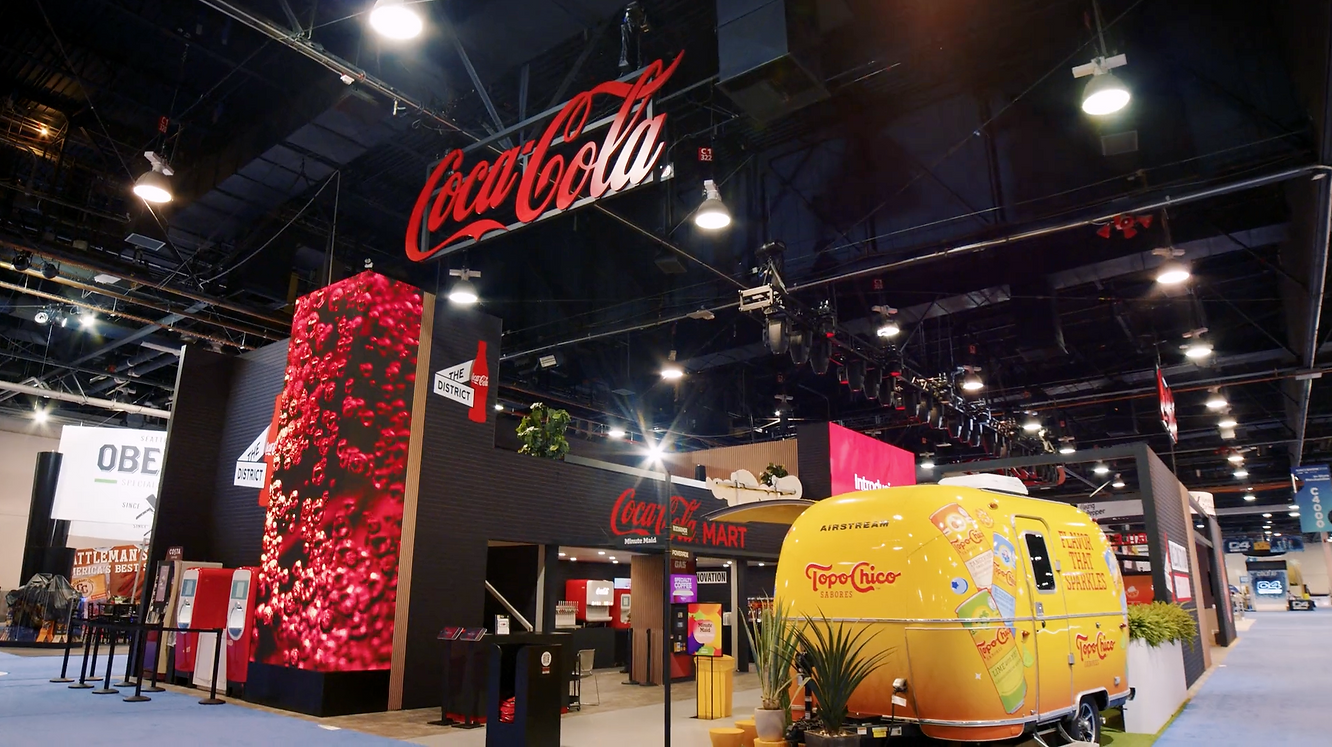
At NACS 2024, we produced Coca-Cola's exhibit as a "Coca-Cola Neighborhood," giving each brand in the portfolio its own distinct area inside a 5,000-square-foot footprint. The neighborhood structure did the wayfinding for us: guests moved brand to brand the way they'd move block to block, encountering interactive moments at each stop and always knowing where they were.
4. Appeal to Emotion
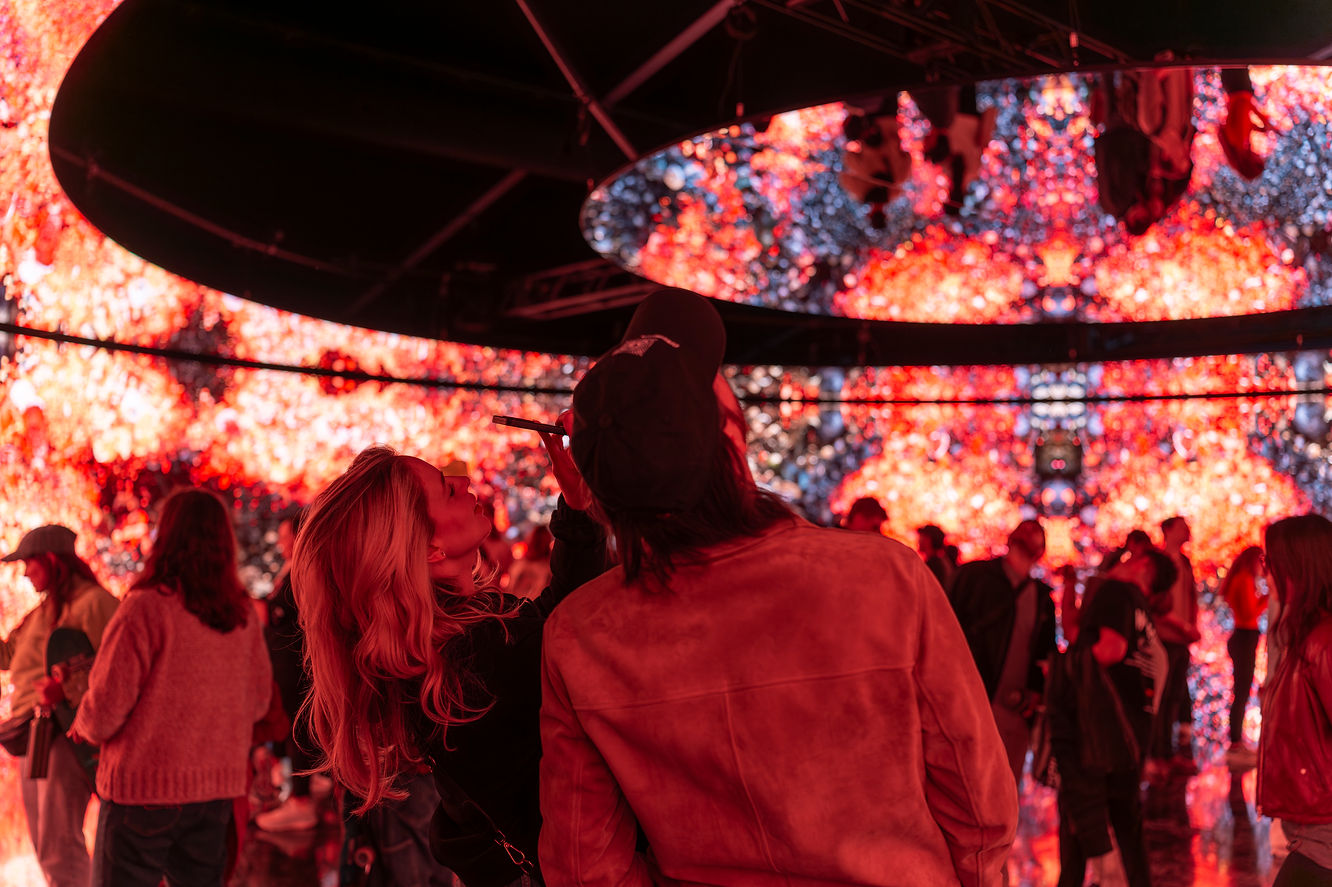
Design works on the eyes first and the gut second, and the second one is what people carry out of the room. The most effective experiences create feeling through storytelling, atmosphere, or a well-placed surprise.
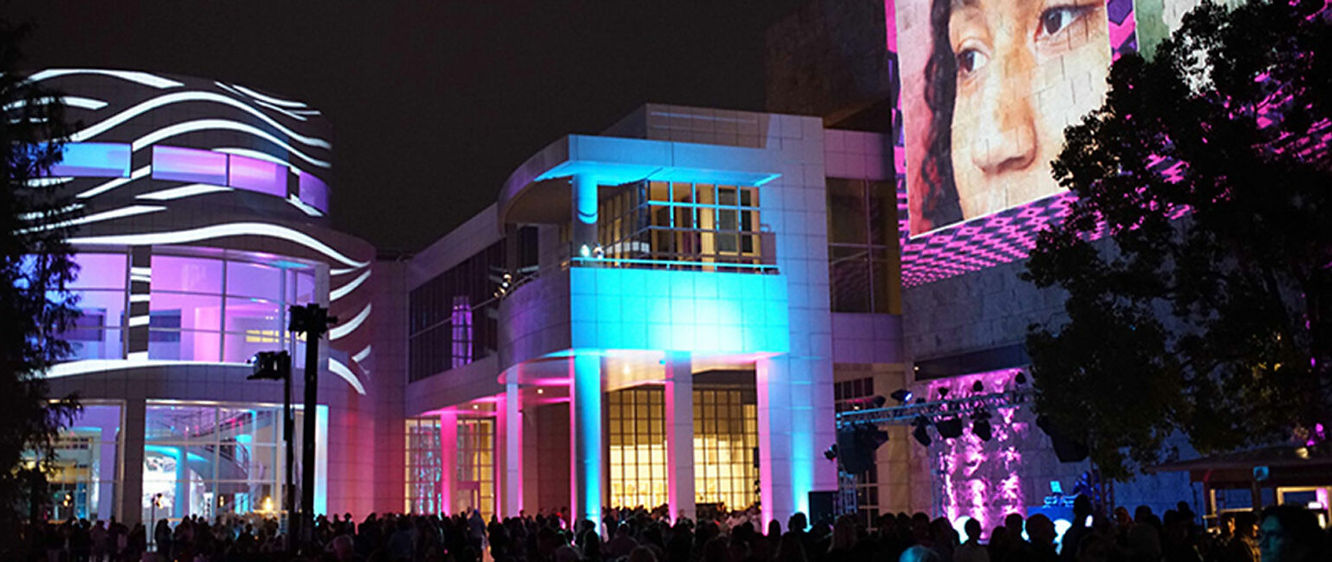
Genesis Motor America partnered with the Getty Museum to launch Unshuttered, a photography initiative that gives young artists a platform to advocate for social good. More than 400 artists took over the Getty Center in Los Angeles for an evening, and their work now travels with Genesis to exhibits and events. The art gives guests something to feel before they're asked to feel anything about a car.
5. Measure the Impact
Purposeful design proves itself in the numbers. Define KPIs at the start, whether foot traffic, dwell time, social shares, or sales conversions, and build the space to capture them.
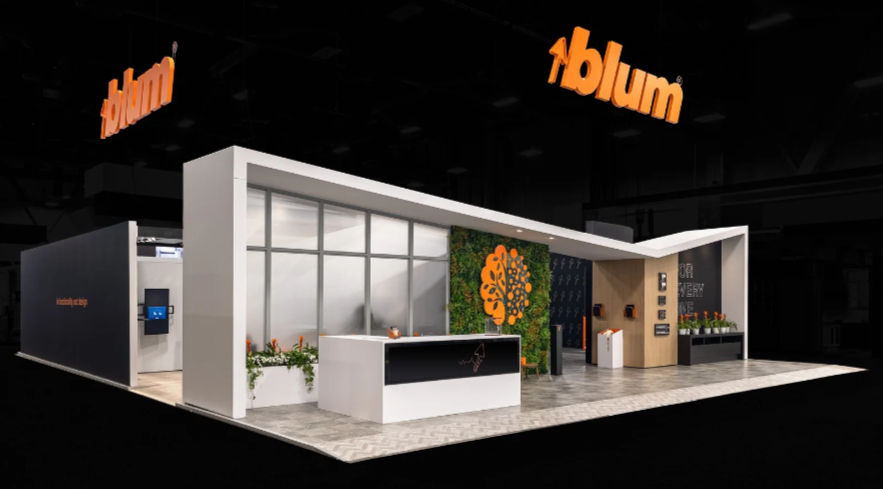
For Blum at KBIS 2025, RFID technology tracked visitor interactions throughout the activation, producing data on where guests went, how long they stayed, and what they engaged with. Those insights now inform the next design and the engagement strategy behind it.
Beyond the Surface
The best spaces look good and work hard. They tell stories, hold attention, and give people a reason to act. Designing with intention means aesthetics, functionality, and strategy pulling in the same direction. Do that, and a space becomes a brand platform that keeps working long after the first guest walks out.
Every space tells a story. Let's bring yours to life.